

Physical activity is no longer just the domain of professional sport. In fact, exercise has become a very important component of a healthy lifestyle that is focused on well-being, fitness, and life quality. The body, becoming more efficient in its functions through regular exercise, can better cope with daily stress, stress-related troubles get less, and the body’s functional capacity is kept alive.
When a person lives a sedentary life, physical activity becomes the only source of movement. It is the main factor that keeps muscles, heart and joints from getting weaker. The natural decline of these functions without physical activity can be quite drastic.
Main areas of fitness training
Modern fitness combines different types of exercise, each of which addresses specific goals. Most programmes combine several areas to ensure a comprehensive effect on the body.
Strength training
Strength exercises are aimed at developing muscles and strengthening bone tissue. They are performed using your own body weight, free weights or exercise machines. This format is important not only for increasing strength, but also for preventing age-related changes associated with muscle loss. Systematic strength training improves posture, increases resistance to everyday stresses and helps maintain a stable metabolism.
Cardio exercises
Cardio exercises develop endurance and maintain heart and lung health. These include running, walking, cycling, rowing, swimming, and other repetitive movements.
Regular aerobic activity improves blood circulation, promotes weight control, and increases overall energy levels. The intensity of such activities can vary depending on physical fitness.
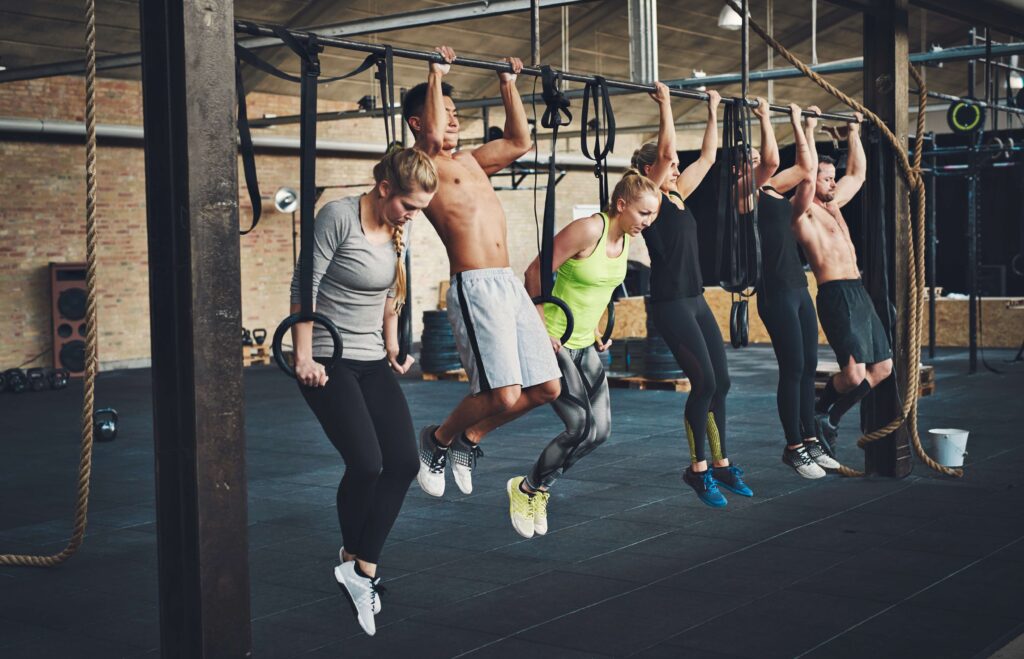
Functional training
The functional format focuses on movements that people use in everyday life. The exercises engage several muscle groups at once and improve coordination, balance and body control.
This approach helps make the body more adaptable to real-life stresses. It is especially useful for people who want to feel confident in their everyday activities and during training.
Flexibility and mobility
Stretching and joint mobility exercises are often underestimated, even though they play an important role in injury prevention. Working on flexibility improves range of motion, reduces muscle tension, and aids recovery after exercise.
Such activities are especially important for people who spend a lot of time in static positions, such as at a computer or behind the wheel.
The role of regularity in the training process
One of the key factors in the effectiveness of any training is regularity. Even moderate-intensity workouts performed systematically give more sustainable results than infrequent but excessively heavy loads. The body adapts to physical activity gradually: muscles, ligaments and the cardiovascular system are strengthened, and coordination improves.
Regular training helps to form healthy habits. People begin to feel better in their bodies, cope more easily with everyday stresses and recover more quickly after physical exertion. It is important to take into account your individual lifestyle, level of fitness and state of health so that exercise remains part of your daily routine.
Recovery and rest as part of fitness
Physical activity is not limited to exercise. Recovery plays an equally important role as training itself. During rest, muscle fibres recover, the nervous system normalises, and the body’s energy resources are replenished.
Lack of sleep, no breaks between workouts, and ignoring signs of fatigue can reduce the effectiveness of your workouts. A well-designed fitness approach includes days of active recovery, light stretching, breathing practices, and attention to overall well-being. This balance allows you to avoid overload and maintain steady progress without the risk of overexertion.
The psychological effect of training
Fitness also affects mental and emotional health. During training, the body produces endorphins, which help reduce stress levels and improve mood. Regular physical activity often contributes to increased concentration, improved sleep, and overall emotional stability.
Playing sports gives you a sense of control over your own body and condition. This has a positive effect on self-esteem and motivation in other areas of life. Even simple training formats can be a way to shift your focus, restore your inner balance, and maintain psychological comfort.

Conclusion
Training and fitness are a well-thought-out tool for maintaining physical and mental health. With a systematic approach, physical activity helps strengthen the muscle corset, maintain joint mobility, improve cardiovascular function, and reduce the impact of a sedentary lifestyle.
A good plan for a workout should reflect the person’s physical qualities, level of fitness and their goals. That way, it is possible to work on endurance, strength, and coordination without getting too tired or stressing the body excessively. Equally important is recovery: sleep, rest and variety of loads keep the progress steady and, at the same time, the risk of injury is lowered.
Making exercise a regular part of life and doing it in small doses means that it becomes a daily habit rather than a passing craze. At some point, physical activity is seen not just as a way of keeping fit but also as a source of energy, concentration and a good mood. Both physically and mentally, this balanced approach will make you fit and capable for years to come.
Comments are closed